The Woven Sack Making Machine is pretty much a must-have in a bunch of industries these days. It’s the machine that turns woven fabric—mostly polypropylene—into those sturdy, reliable sacks we see everywhere. Companies like ABC Packaging depend on these machines to keep their production running smoothly and efficiently.
Figuring out how a Woven Sack Making Machine works is actually pretty important if you want to get the most out of it. Basically, it automates the whole process— weaving, cutting, sewing— so everything is done pretty seamlessly. But to really keep things running at tip-top shape, you gotta pay attention to stuff like the quality of your materials and regular machine cleaning and maintenance.
Of course, even with all these modern advancements, there are still some hiccups. Raw material quality can vary, and that can mess with the final product’s quality. So, operators should always be on the lookout for ways to improve their processes. When you keep your Woven Sack Making Machine in good shape, it can seriously boost productivity, save you some waste, and make everything more cost-effective in the long run.
What is a Woven Sack Making Machine?
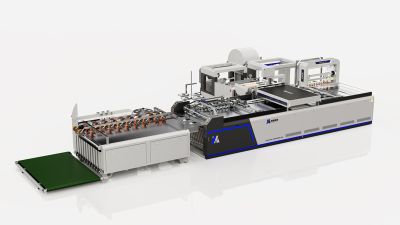
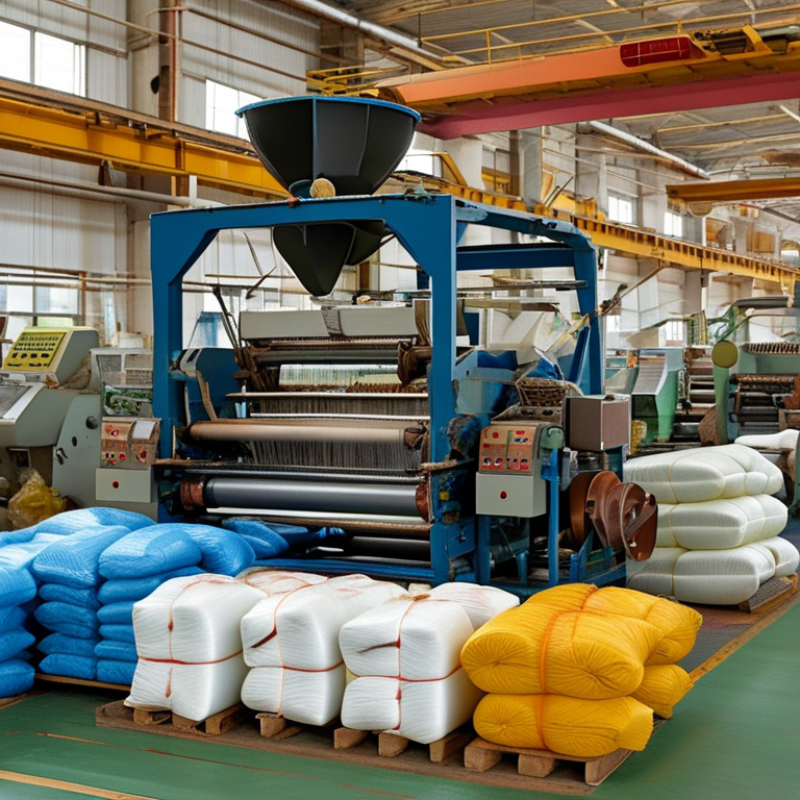
A woven sack making machine is an industrial device designed for producing woven sacks from polypropylene or polyethylene. These materials are strong, durable, and resistant to moisture. The machine typically consists of various components, including an extruder, weaving loom, and cutting units. Each part plays a crucial role in forming the final product.
The process begins with the extrusion of plastic pellets. These pellets are heated and transformed into thin films. Then, the woven sack making machine uses a loom to interlace the films into a flat sheet. This sheet is cut into the required dimensions, allowing for customization based on specific needs. Each step has its complexities, which require skilled operators to ensure quality and efficiency.
Challenges can arise during production. For instance, incorrect settings may lead to uneven sack dimensions. Regular maintenance is essential to prevent breakdowns. There may also be a learning curve for new operators during the initial phases. Overall, mastering the operation of a woven sack making machine requires expertise and ongoing training.
Woven Sack Production Overview
Components of a Woven Sack Making Machine
Woven sack making machines are integral to the packaging industry, producing durable and versatile sacks. Their efficiency comes from several key components that work together seamlessly. The extruder is a crucial part, melting plastic pellets to create a film. This film is then inflated and cooled to form tubes of fabric. Reports indicate that the global demand for woven sacks is increasing by about 5% annually, highlighting the importance of these machines in meeting market needs.
Another significant component is the weaving unit, which interlaces the plastic yarn to form the final product. This process allows for varying degrees of strength and flexibility. Furthermore, the printing unit enables customization, with options for different colors and patterns. Studies reveal that around 70% of consumers prefer printed sacks for branding purposes. Yet, it is critical to monitor the quality and thickness of materials used; this can significantly impact production efficiency and final product durability.
The sewing and cutting machines finalize the woven sacks. They cut the fabric to the desired size and stitch the sections together. However, ensuring precision in this step is often a challenge. Small discrepancies can lead to wastage and increased costs. Such insights emphasize the need for continuous improvement and quality control in the manufacturing process.
The Manufacturing Process of Woven Sacks
Woven sacks are essential in packaging industries. Understanding the manufacturing process of woven sacks is crucial. This process typically begins with raw materials, like polypropylene. The first step involves extruding the polypropylene into thin filaments. These filaments are then woven together to form strong fabric.
In the next phase, the woven fabric is cut into the desired sizes. It’s essential for manufacturers to ensure precision during this stage. If cuts are uneven, the final product may be compromised. This can lead to waste and increased costs. After cutting, the fabric pieces undergo printing and sewing. This adds branding and seals the sacks.
Tips: When choosing a woven sack making machine, pay attention to durability and efficiency. A reliable machine can reduce production time. Regular maintenance is key; it can prevent unexpected breakdowns. Examine the finished products carefully to identify any quality issues early on. Manufacturing woven sacks can be a rewarding endeavor, yet it requires careful planning and execution. Small mistakes can result in significant losses, so it's vital to stay attentive.
How Automation Enhances Woven Sack Production
Woven sack making machines are vital in producing durable bags used for various industries. Automation plays a crucial role in enhancing woven sack production. With automated processes, manufacturers can significantly increase output and reduce labor costs. Machines can now execute tasks like weaving, cutting, and stitching with high precision and speed.
However, implementing automation requires careful planning. It is essential to invest in quality machinery that matches production needs. Automating production lines can lead to unforeseen challenges. Operators must be trained to manage and troubleshoot machines efficiently.
Tip: Regular maintenance of equipment ensures consistent performance. A machine breakdown can lead to costly delays in production.
Moreover, automation allows for better quality control. Machines can be programmed to check for defects, reducing the risk of flawed products. The data collected from automated systems can improve production strategies. Yet, relying solely on automation may overlook the human touch necessary for creative problem-solving.
Tip: Incorporate feedback from staff to refine automated processes. Their insights can lead to significant improvements in efficiency and product quality.
Applications of Woven Sacks in Various Industries
Woven sacks have become essential across many industries. They are highly durable and versatile, making them suitable for various applications. In the agricultural sector, these sacks are commonly used for packaging grains, seeds, and fertilizers. Their ability to withstand rough handling is a significant advantage. Farmers appreciate how these bags protect their products from pests and moisture.
In the construction industry, woven sacks serve a different purpose. They often hold materials like sand, gravel, and cement. The strength of these sacks ensures safe transport and storage. However, not all sacks are created equal. Some may not meet the required standards, leading to potential safety issues.
The food industry also benefits from woven sacks. They provide an eco-friendly alternative to plastic packaging. Many companies use them for bulk items like flour, sugar, and rice. Yet, the challenge lies in maintaining hygiene standards during production. These factors highlight the importance of quality control in manufacturing woven sacks. Addressing these issues can enhance their reliability across all applications.
What is a Woven Sack Making Machine and How Does It Work? - Applications of Woven Sacks in Various Industries
| Dimension | Description | Application |
| Material | Polypropylene (PP) or High-Density Polyethylene (HDPE) | Used in packaging grains, chemicals, and construction materials. |
| Production Capacity | 500-1000 sacks per hour | High demand for agriculture and retail packaging. |
| Machine Type | Automatic and Semi-Automatic | Flexibility in small versus large scale production. |
| Woven Sack Size | Customized dimensions available | Fits various industrial needs, from food to construction. |
| Market Trends | Growing demand for eco-friendly materials | Shift towards sustainable packaging solutions. |
Maintenance and Troubleshooting of Woven Sack Machines
Woven sack machines are intricate yet essential to the packaging industry. Proper maintenance is crucial for optimal performance. Regularly check the machine for wear and tear. Pay attention to the stitching mechanisms. A small fray can lead to bigger issues. Dust buildup can also impact functionality, making cleaning a regular task.
Troubleshooting common problems can save time and money. If the sacks are not being produced to standard, inspect the tension settings. Incorrect tension can result in weak seams. Listen for unusual noises; they often indicate mechanical issues. It’s essential to address these early. Ignoring minor problems can escalate into major repairs.
Lastly, operator training is vital. Workers need to know how to identify and report issues. Building a maintenance schedule helps keep machines running smoothly. Ensuring that operators understand the machine's functions can mitigate risks. Frequent reviews of performance can offer insight into recurring problems. A proactive approach can enhance machine reliability.
Future Trends in Woven Sack Manufacturing Technology
The woven sack manufacturing industry is evolving rapidly. With the rise of eco-friendly practices, technology is advancing. Manufacturers are focusing on sustainable materials. Innovations include biodegradable and recyclable options. This trend reflects an increased consumer demand for environmentally friendly products.
Automation is another significant trend. Automated woven sack making machines enhance efficiency. These machines reduce human error and increase production speed. Factories are adopting smart technologies like IoT and AI. Such technologies enable real-time monitoring and data analysis. This shift aims to optimize production processes, increasing profitability.
However, challenges persist in this transition. Not all companies can afford high-tech machinery. Training staff to operate advanced machines can be daunting. There's also the risk of over-reliance on technology. Balancing automation with skilled labor is vital. The future of woven sack manufacturing holds promise, yet requires careful navigation through these complexities.
Innovative Solutions for PE Liner Insertion: Exploring the Benefits of Hot Melt Adhesive Machines
In the quest for more efficient packaging solutions, the integration of hot melt adhesive machines has emerged as a pivotal advancement in the production of PE liners. These machines are particularly effective for manufacturers of various bag types, including PP woven bags, lamination bags, and non-lamination bags. According to recent industry reports, nearly 60% of packaging producers cite the need for greater versatility and consistency in their production lines as a primary concern, and hot melt adhesive technology directly addresses these challenges.
One of the standout features of modern hot melt adhesive machines is the ability to seamlessly switch between hot and cold cutters at the push of a button. This innovation ensures that the cutting lines are straighter and cleaner compared to traditional sliding cutters, enhancing the overall product aesthetics and functionality. Furthermore, the system's second mouth-opening function significantly improves film stability during production, which is crucial for achieving high-quality outputs. Manufacturers producing both simple woven bags and complex laminated bags can benefit from this technology, ensuring their products not only meet but exceed industry standards for quality and reliability.
Additionally, the adaptability of these machines allows manufacturers to remain competitive in a rapidly evolving marketplace. With the global packaging materials market projected to reach over $500 billion by 2025, the demand for efficient, high-performance machinery is at an all-time high. As manufacturers strive to optimize production processes and maintain product integrity, the implementation of hot melt adhesive machines will play a critical role in their success, positioning them to meet the increasing demands of consumers and businesses alike.
FAQS
: Woven sacks are primarily made from polypropylene or polyethylene. These materials are strong and moisture-resistant.
The process starts with extruding plastic pellets into thin films. These films are then woven together to form sheets.
Precision in cutting ensures uniform sack sizes. Uneven cuts can lead to waste and increased production costs.
New operators often experience a learning curve with machine settings and operations. This can affect production quality initially.
Automation increases output and reduces labor costs. Machines can perform tasks with high speed and precision.
Manufacturers should focus on durability and efficiency. A reliable machine minimizes production time.
Regular maintenance prevents unexpected machine breakdowns. This helps avoid costly delays in production.
Operator feedback can enhance automated processes. Their insights contribute to better efficiency and product quality.
Training is essential for effectively managing machines. Skilled operators ensure quality control and efficient production.
Relying too much on automation can overlook the need for human creativity. This can limit problem-solving capabilities.
Conclusion
A Woven Sack Making Machine is a specialized equipment designed to manufacture durable sacks typically used for packaging various products. The machine consists of several key components, including extruders, weaving systems, and cutting tools, which work together to produce high-quality woven sacks. The manufacturing process involves the transformation of raw materials into woven fabric and subsequently shaping it into sacks through cutting and stitching.
Automation plays a crucial role in enhancing the efficiency and output of woven sack production, allowing for faster processing and reduced labor costs. These sacks find applications across diverse industries, including agriculture, construction, and food packaging, due to their strength and versatility. Regular maintenance and troubleshooting are essential to ensure the machine runs smoothly and to extend its lifespan. Looking ahead, advancements in technology promise to further refine the manufacturing processes, leading to innovative solutions in woven sack production.